
No products in the cart.
Uncategorized
Chow Chow Winter Care Canada
22
May
May
Chow Chow Winter Care Canada: Complete Cold Weather Guide for Chow Chow Owners
Canadian winters can be beautiful, but they also bring freezing temperatures, snow, ice, road salt, and dry air that can affect your dog’s comfort and health. Fortunately, the Chow Chow is one of the dog breeds naturally suited for colder climates thanks to its thick double coat and sturdy build. However, even though Chow Chows tolerate winter better than many breeds, they still require proper seasonal care to remain healthy, active, and comfortable throughout the Canadian winter season.
This comprehensive Chow Chow winter care guide for Canada explains everything owners should know about grooming, exercise, nutrition, paw protection, indoor comfort, winter safety, and cold-weather routines.
Whether you live in Toronto, Ottawa, Calgary, Edmonton, Montreal, Vancouver, or other Canadian regions, understanding how to properly care for your Chow Chow during winter can help prevent health problems and improve your dog’s quality of life.
Why Chow Chows Handle Canadian Winters Well
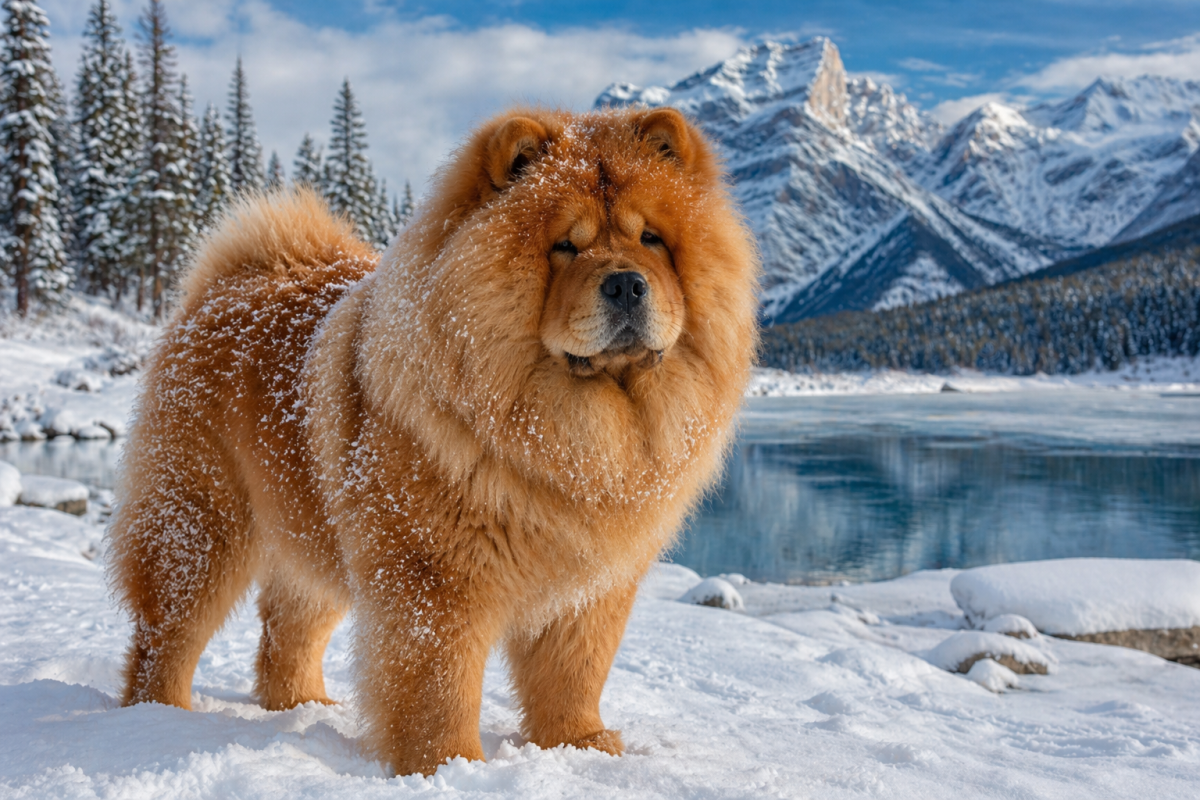
The Chow Chow originated in northern regions where colder climates were common. One of the breed’s most recognizable features is its thick double coat, which acts as natural insulation against low temperatures.
The coat consists of:
- A dense undercoat that traps heat
- A coarse outer coat that protects against moisture and wind
This combination helps Chow Chows remain comfortable in snowy and cold conditions compared to many short-haired breeds.
However, cold tolerance does not mean unlimited exposure to harsh weather. Extreme wind chills, ice buildup, dehydration, and road chemicals can still create risks for your dog.
Responsible winter care remains essential.
Understanding Your Chow Chow’s Winter Coat
Many first-time owners assume shaving a Chow Chow helps manage shedding or grooming during winter. In reality, shaving is usually not recommended unless medically necessary.
The double coat serves several important functions:
- Maintains body temperature
- Protects skin from freezing air
- Prevents moisture from reaching the skin
- Helps regulate temperature year-round
Removing the coat can interfere with natural insulation and expose the skin to dryness and irritation.
Instead of shaving, focus on:
- Regular brushing
- Coat maintenance
- Removing loose undercoat
- Preventing matting
A properly maintained coat is one of the best defenses against Canadian winter conditions.
Winter Grooming Tips for Chow Chows
Brush Frequently
Winter grooming is critical because trapped moisture and compacted fur can create discomfort and skin problems.
Brush your Chow Chow:
- 3–5 times weekly during winter
- Daily during heavy shedding periods
Regular brushing helps:
- Prevent mats
- Remove dead hair
- Improve air circulation through the coat
- Reduce snow buildup in fur
Pay close attention to:
- Behind the ears
- Under the legs
- Tail area
- Neck and mane
- Paw fur
Avoid Excessive Bathing
Cold winter air and indoor heating can dry out your Chow Chow’s skin.
Too many baths may:
- Strip natural oils
- Increase itching
- Cause flaky skin
Use mild dog shampoos and avoid frequent washing unless necessary.
After bathing:
- Dry the coat completely
- Never allow damp fur exposure outdoors
- Use low-heat drying methods
Trim Paw Fur Carefully
Long fur between paw pads can collect:
- Snowballs
- Ice
- Salt
- Dirt
Keeping the paw area trimmed helps improve traction and reduces ice accumulation during walks.
Protecting Your Chow Chow’s Paws in Winter
One of the biggest winter risks for dogs in Canada is road salt and ice-melting chemicals.
These substances can:
- Irritate paw pads
- Cause cracking
- Lead to burns
- Trigger licking and stomach irritation
Paw Protection Tips
Use Paw Balm
Apply pet-safe paw balm before walks to create a protective barrier.
Wipe Paws After Walks
Always clean paws after outdoor activity to remove:
- Salt
- Chemicals
- Ice particles
Consider Winter Boots
Some Chow Chows tolerate dog boots well, especially during severe weather or in heavily salted urban areas.
Boots help protect against:
- Ice cuts
- Frozen surfaces
- Salt exposure
Safe Winter Exercise for Chow Chows
Although Chow Chows are not hyperactive dogs, they still require regular exercise during winter.
Physical activity helps:
- Maintain healthy weight
- Prevent boredom
- Improve joint health
- Support mental stimulation
Best Winter Activities
Daily Walks
Short to moderate walks are usually ideal.
Monitor for:
- Ice-covered sidewalks
- Sharp snow crust
- Frozen surfaces
Snow Play
Many Chow Chows enjoy snow and cold outdoor playtime.
Safe snow activities include:
- Fetch
- Exploring trails
- Backyard play
- Controlled park visits
Indoor Mental Stimulation
On extremely cold days, provide indoor enrichment such as:
- Puzzle toys
- Obedience training
- Hide-and-seek games
- Treat-dispensing toys
Recognizing Dangerous Cold Exposure
Even winter-adapted dogs can suffer from overexposure.
Watch for signs such as:
- Shivering
- Lifting paws repeatedly
- Slowed movement
- Whining
- Lethargy
- Pale gums
Very young puppies, senior dogs, and dogs with medical conditions are especially vulnerable during severe Canadian cold snaps.
Limit outdoor time during:
- Ice storms
- Blizzards
- Extreme wind chill warnings
Indoor Winter Comfort for Chow Chows
Canadian homes often become very dry during winter because of heating systems.
Dry indoor air can affect:
- Skin
- Nose
- Paw pads
- Coat condition
Improve Indoor Comfort
Provide Fresh Water
Dogs may drink less in winter, increasing dehydration risk.
Ensure constant access to clean water.
Use Humidifiers
Humidifiers help reduce:
- Dry skin
- Cracked noses
- Static buildup in fur
Comfortable Sleeping Areas
Provide:
- Orthopedic beds
- Insulated sleeping spaces
- Draft-free resting areas
Avoid placing beds near:
- Cold doors
- Windows
- Drafty basements
Winter Nutrition for Chow Chows
Your Chow Chow’s dietary needs may change slightly during winter depending on activity level.
Dogs spending more time outdoors may require:
- Slightly increased calories
- Additional hydration
- High-quality protein
However, inactive winter lifestyles can also lead to weight gain.
Important Nutrition Tips
Maintain Healthy Weight
Excess weight places pressure on joints and reduces mobility.
Focus on Coat Health
Omega-3 fatty acids may help support:
- Healthy skin
- Thick coat quality
- Reduced dryness
Monitor Treat Intake
Winter boredom sometimes leads owners to overfeed treats.
Balance treats with exercise and portion control.
Winter Safety Hazards for Chow Chows
Antifreeze Poisoning
Antifreeze is highly toxic to dogs and commonly found in Canadian winters.
Even small amounts can be fatal.
Symptoms include:
- Vomiting
- Weakness
- Excessive thirst
- Coordination problems
Store automotive chemicals safely and avoid puddles in parking areas.
Frozen Lakes and Thin Ice
Never allow your Chow Chow to walk on frozen ponds or lakes unless officially confirmed safe.
Thin ice can collapse unexpectedly.
Space Heaters and Fireplaces
Chow Chows enjoy warmth but should not lie too close to:
- Heaters
- Fireplaces
- Heating vents
Overheating and burns can occur.
Chow Chow Puppies During Canadian Winters
Puppies require additional care because they are less capable of regulating body temperature.
Puppy Winter Care Tips
Short Outdoor Sessions
Limit outdoor exposure for young puppies during freezing weather.
Extra Bedding
Provide warm sleeping areas indoors.
Controlled Socialization
Introduce puppies gradually to:
- Snow
- Wind
- Cold surfaces
- Winter sounds
Positive winter experiences help puppies build confidence later in life.
Traveling With Your Chow Chow in Winter
If you travel during winter:
- Keep emergency supplies in the vehicle
- Never leave dogs unattended in freezing cars
- Bring extra blankets and water
For long-distance travel:
- Schedule potty breaks
- Monitor for paw irritation
- Avoid overheating inside vehicles
Seasonal Vet Checkups
Winter is a good time for routine veterinary evaluations.
Your veterinarian can help assess:
- Joint health
- Skin condition
- Weight management
- Seasonal allergies
- Arthritis concerns
Older Chow Chows may experience increased stiffness during colder months.
Why Canadian Families Love Chow Chows in Winter
Many Canadian owners appreciate how naturally suited Chow Chows are for snowy environments. Their calm personality, fluffy coat, and cold-weather tolerance make them excellent companions for winter lifestyles.
From snowy walks in Ottawa to winter parks in Toronto and mountain climates in Calgary, Chow Chows often thrive when owners provide proper seasonal care and attention.
The key is balance:
- Enjoy winter safely
- Maintain grooming
- Protect paws
- Avoid overexposure
- Support healthy indoor living
With the right winter routine, your Chow Chow can remain happy, healthy, and comfortable throughout the Canadian winter season.
Frequently Asked Questions
Do Chow Chows like snow?
Yes. Most Chow Chows enjoy snowy weather because their thick double coat helps insulate them from cold temperatures.
Can Chow Chows stay outside during Canadian winters?
They tolerate cold weather better than many breeds, but they should not remain outside for extended periods during extreme cold or storms.
Should I shave my Chow Chow in winter?
No. Shaving removes the natural insulation provided by the double coat and can increase the risk of skin problems and temperature imbalance.
How often should I groom my Chow Chow during winter?
Brush your Chow Chow several times weekly to prevent mats, remove loose fur, and reduce snow buildup.
Are winter boots necessary for Chow Chows?
Not always, but boots can help protect paws from salt, chemicals, and ice in urban Canadian areas.
How can I protect my Chow Chow’s paws from salt?
Use paw balm, wipe paws after walks, and avoid heavily salted sidewalks whenever possible.
Do Chow Chows need more food during winter?
Highly active dogs spending more time outdoors may require slightly more calories, but indoor dogs can gain weight if overfed.
Can cold weather make Chow Chows sick?
Yes. Extreme cold exposure, dehydration, and ice-related injuries can still affect Chow Chows despite their thick coat.
Is winter difficult for Chow Chow puppies?
Puppies are more sensitive to cold temperatures and require shorter outdoor sessions and extra warmth indoors.
What temperature is too cold for a Chow Chow?
Tolerance varies by age and health, but extreme wind chills and severe freezing conditions can become dangerous even for cold-weather breeds.
