
No products in the cart.
Uncategorized
Chow Chow Temperament with Kids
02
Apr
Apr
Chow Chow Temperament with Kids: A Comprehensive Guide
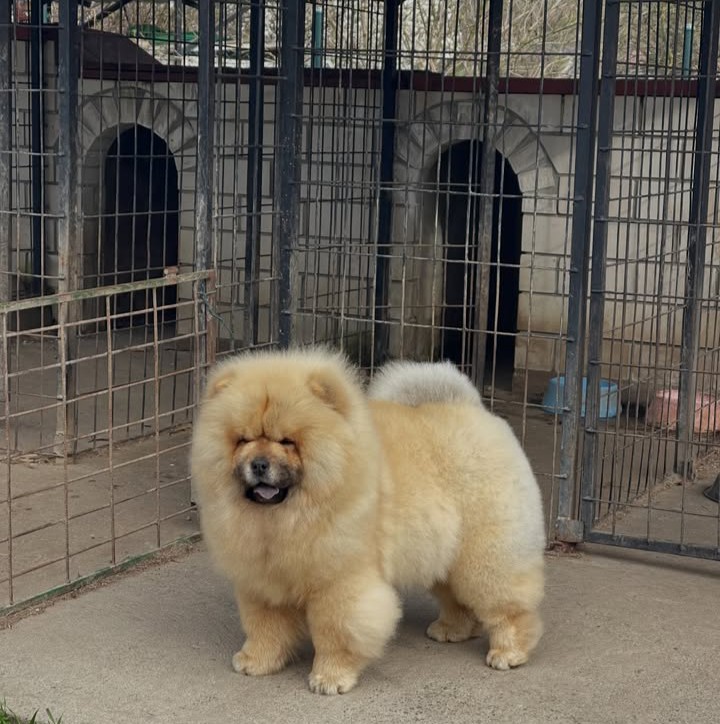
The Chow Chow is a distinctive and ancient dog breed known for its lion-like mane, unique blue-black tongue, and dignified presence. Originating from northern China over 2,000 years ago, this breed was historically used for hunting, guarding, and pulling carts. While they are undeniably striking and carry an aura of nobility, Chow Chows have a temperament that requires careful understanding, especially when it comes to living with children.
Understanding the Chow Chow’s behavior is crucial for families considering this breed. While they are loyal and protective, their aloof nature and strong-willed personality can sometimes create challenges in a household with kids. This guide will explore the Chow Chow’s temperament, how they interact with children, and tips for fostering a harmonious relationship.
Understanding Chow Chow Temperament
Chow Chows are often described as independent, reserved, and dignified. Unlike overly affectionate breeds, they are not typically “velcro dogs” who follow their owners everywhere. Their temperament can be broken down into several key characteristics:
- Independent Thinkers: Chow Chows are intelligent and often think for themselves. They are not the type to blindly obey commands, which means training requires consistency, patience, and firmness.
- Aloof with Strangers: They are naturally wary of strangers. While this makes them excellent watchdogs, it also means they need socialization to ensure they can differentiate between real threats and everyday visitors.
- Loyal and Protective: They are fiercely loyal to their family, often forming a strong bond with one primary caregiver. Their protective instincts can extend to children, but they may also be possessive.
- Calm but Reserved: Chow Chows tend to have a calm demeanor and are not hyperactive. This temperament can be an advantage with children, but only if the child understands and respects the dog’s boundaries.
Chow Chows and Children: Compatibility
When it comes to Chow Chows and children, the key word is compatibility. They are not universally recommended for families with very young or highly energetic children due to their reserved nature. However, with proper introduction, training, and supervision, they can coexist peacefully and even form a deep bond with kids.
Positive Traits with Children
- Protective Nature: Chow Chows can be extremely protective of children in their household. Once they see a child as part of their “pack,” they often act as a guardian.
- Calm Companionship: Their calm nature means they are less likely to engage in over-the-top rough play that could inadvertently harm a child.
- Loyalty: Once bonded, they are incredibly loyal and can provide a sense of security to children.
Challenges to Consider
- Aloofness: Chow Chows may not naturally seek out affection and may prefer solitude. Children need to understand that forcing attention can provoke stress or defensive behavior.
- Possessiveness: They can be protective of their toys, food, and even family members, which can lead to conflicts if boundaries are not established.
- Sensitivity: While they are strong and dignified, Chow Chows are sensitive dogs. Rough handling or teasing by children can trigger snapping or defensive behavior.
Tips for Raising a Chow Chow Around Kids
Successfully integrating a Chow Chow into a family with children involves socialization, training, and clear boundaries. Here are some tips to ensure a safe and positive relationship:
1. Start Socialization Early
The earlier you socialize a Chow Chow, the better. Introduce the dog to various people, environments, and experiences from puppyhood. Positive exposure helps reduce wariness around strangers and prevents fear-based aggression.
2. Teach Children Respectful Interaction
Children must learn how to approach and interact with a Chow Chow:
- Avoid hugging or restraining the dog.
- Do not pull on ears, tail, or fur.
- Allow the dog to approach the child rather than forcing contact.
- Respect the dog’s personal space, especially when eating or resting.
3. Establish Firm Leadership
Chow Chows respond best to confident, consistent, and fair leadership. Clear rules regarding boundaries, playtime, and training help the dog understand their role in the family.
4. Supervise All Interactions
Never leave young children unsupervised with a Chow Chow. Even the most well-behaved dog can react unpredictably if startled, threatened, or mishandled.
5. Use Positive Reinforcement
Chow Chows respond well to positive reinforcement rather than harsh punishment. Reward-based training builds trust and strengthens the bond between the dog and children.
6. Respect Their Space
Chow Chows enjoy quiet time and may retreat to a designated spot when they need rest. Ensure children know not to disturb the dog in these safe spaces.
Ideal Family Environment
Chow Chows thrive in calm households with predictable routines. Families with older children who understand dog behavior are ideal. Homes that are too noisy, chaotic, or have very young toddlers may not be the best match.
A Chow Chow can adapt to apartment living as long as they receive daily exercise. However, they do appreciate a backyard or space where they can have solitude and roam safely.
Signs of Stress or Discomfort
Parents and caregivers should be aware of stress signals in Chow Chows. Recognizing early signs helps prevent incidents:
- Growling or snapping when approached
- Stiff body posture or tail tucked
- Avoidance or retreat from interaction
- Excessive licking or yawning (signs of nervousness)
If a Chow Chow shows these signs around children, it’s essential to step in calmly and remove the child from the situation without punishing the dog.
Frequently Asked Questions (FAQ)
Q1: Are Chow Chows good with toddlers?
A1: Chow Chows are generally not recommended for toddlers. Their reserved and sometimes aloof temperament can make them less tolerant of unpredictable toddler behavior. Older children are a better match.
Q2: How can I help my Chow Chow bond with my child?
A2: Encourage calm interactions, supervised play, and positive reinforcement. Allow the dog to approach the child and provide treats or toys as rewards for gentle behavior.
Q3: Do Chow Chows like to cuddle with kids?
A3: Most Chow Chows are independent and may not enjoy prolonged cuddling. They prefer respectful companionship over physical closeness.
Q4: How do I train my Chow Chow to be gentle with children?
A4: Use consistent, reward-based training. Teach children how to interact respectfully, and supervise all interactions until the dog reliably demonstrates gentle behavior.
Q5: Can a Chow Chow live with multiple children?
A5: Yes, but the children should be mature enough to respect the dog’s boundaries. A calm, predictable household is crucial for the Chow Chow’s comfort and safety.
Q6: Are Chow Chows aggressive toward children?
A6: Chow Chows are not inherently aggressive, but possessiveness or fear can lead to defensive behavior. Proper socialization, supervision, and respect for the dog’s space mitigate this risk.
Conclusion
The Chow Chow is a dignified, loyal, and protective breed with a temperament that demands understanding and respect. While not naturally affectionate or playful, they can form deep bonds with children when raised in a calm, structured environment. Families considering a Chow Chow must commit to early socialization, firm yet gentle training, and consistent supervision to foster a safe and loving relationship.
In the right household, a Chow Chow is not only a striking companion but also a steadfast guardian for children—an elegant blend of independence and loyalty that leaves a lasting impression on everyone they meet.
